
Many applicants reach the submission stage only to discover that an important document is missing, outdated, incomplete, or incorrectly prepared. Knowing the documents required for a visa application before you begin can save you from delays, extra fees, and avoidable refusals. The exact checklist depends on your visa category, your purpose of travel, and your personal circumstances.
Preparing your paperwork involves more than having a passport and an application form. You will also need to understand financial evidence, employment records, travel plans, accommodation, photographs, invitation letters, translations, copies, and document organization. The sections below walk through the complete checklist in a practical order.
Start With the Core Documents for Your Visa

Most applications are built on a small set of foundational items. Visa application documents usually begin with identity and application paperwork, and the required visa documents for your category are then added on top. Checking the basics first prevents you from overlooking something simple, such as an expired passport or missing photographs. The documents needed for visa applications often include these core categories:
- A valid passport
- Passport photographs that meet the stated specifications
- The completed visa application form
- Proof of travel plans
- Financial evidence
- Supporting documents specific to your visa category
Build a Complete Visa Document Checklist First
A personal checklist turns general requirements into a clear to-do list. Before you collect anything, keep these points in mind:
- Start with the official document list for your specific visa category.
- Separate universally required documents from those needed only in certain circumstances.
- Keep a checklist you can mark as each document is collected, reviewed, and prepared.
Separate Required Documents From Supporting Evidence
Mandatory documents are the items every applicant in your category must provide. Supporting evidence is additional material that strengthens or clarifies your case. Treat them differently so you never skip a required item while spending time on optional ones. A reliable visa document checklist makes this distinction visible.
Match Every Document to Your Visa Category
Do not rely on a generic list. Different visa types can require different evidence, and a visa documentation checklist built for a tourist may not suit a student or worker. Confirm each item against the requirements for your exact category, and a guide on visa application guidance can help you understand how those requirements are usually structured.
Mark Original, Copy, and Upload Requirements
Note whether each document must be presented as an original, submitted as a copy, or uploaded digitally. Mixing these up is a common cause of rejected submissions. Write the requirement beside each item on your visa paperwork list so nothing is handled the wrong way.
Create a Final Checklist Before Submission
Use one master checklist to confirm that nothing has been overlooked. Review it once when you start and again just before you submit.
Prepare Your Passport and Personal Identity Papers
Identity documents are the anchor of every application, so check them first. Problems with expired, damaged, inconsistent, or poorly copied identity papers can hold up the whole file. Keep these points in mind:
- Check your passport before preparing the rest of the application.
- Make sure personal information is consistent across all documents.
- Prepare photographs and identity copies according to the applicable specifications.
Check Your Passport Validity and Condition
Verify the expiry date, your personal details, the number of available pages, and the physical condition of the passport. A valid passport is the first thing most authorities look at, and some destinations require validity well beyond your travel dates.
Prepare the Required Passport Photographs
Follow the stated size, background, composition, and recency rules instead of assuming standard passport-photo rules apply everywhere. Passport photographs that do not meet the specification are a frequent reason for returned applications.
Make Accurate Copies of Identity Documents
When copies are required, prepare clear scans or photocopies of your passport pages and other identity documents. Make sure every edge and detail is readable.
Gather Additional Identity Records When Needed
Some applications ask for civil-status records, previous passports, residency documents, or other identity-related papers. Whether you need them depends on your circumstances, so check the official instructions.
Organize Your Financial and Employment Evidence
Financial and employment documents help show that you can support your trip and have ties to your home country. They should be consistent, recent where required, and easy to understand. Keep these principles in mind:
- Financial evidence should clearly support the information stated in the application.
- Employment records can help explain your current professional and financial circumstances.
- Documents should be consistent, recent where required, and easy to understand.
Prepare Recent Bank Statements and Financial Records
Review the statement period, account-holder information, transaction history, and any specific evidence the authority has requested. Bank statements should match the name and details on your application. Supporting financial documents may also include savings records or other account summaries.
Show Proof of Income and Regular Financial Support
Salary records, income statements, tax evidence, or other appropriate records can demonstrate your financial circumstances. Proof of income works best when it lines up with your bank statements and your stated occupation.
Add an Employment Letter When Relevant
An employment letter can establish your position, employment status, approved leave, and other relevant details. Ask your employer for a letter that is signed, dated, and consistent with the rest of your application.
Explain Unusual or Third-Party Financial Support
If someone else is paying for your trip, or if your account shows large deposits, document the situation clearly. Sponsorship letters, family support evidence, and explanations for unusual transactions help prevent unnecessary questions.
Add Travel, Accommodation, and Invitation Proof
These documents explain where you are going, why you are traveling, and where you will stay. They should tell one consistent story about the trip. Remember the following:
- Travel-related documents should tell a consistent story about the intended trip.
- Accommodation and itinerary details should match the dates and destinations stated elsewhere.
- Invitation evidence may be relevant when another person or organization is connected to the visit.
Prepare a Clear Travel Itinerary for Your Trip
A travel itinerary presents your destinations, dates, and plans in a clear format. If you are still planning, resources on international travel plans can help you structure a realistic schedule.
Provide Appropriate Accommodation Evidence
Hotel reservations, host details, or other acceptable proof of accommodation may be required. Make sure the dates and addresses match your itinerary.
Include an Invitation Letter When Applicable
An invitation letter can help when a person or organization is connected to your visit. It usually states who is inviting you, the purpose of the visit, and the dates and location.
Keep Travel Evidence Consistent Across Documents
Dates, destinations, accommodation, and stated travel purposes should not contradict each other. Even small mismatches can raise doubts, so compare every document side by side before you submit.
Complete Your Visa Forms and Supporting Paperwork
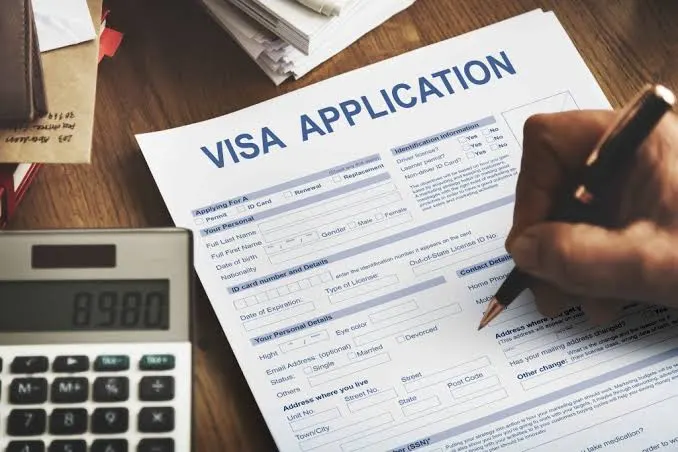
The visa application form and your supporting paperwork should work as one coordinated application. The form states your case, and the visa supporting documents prove it. Errors usually come from incomplete answers or details that conflict with other documents, so enter information exactly as it appears on your official records. Before submitting, run through a short checklist:
- Every field is answered or marked as not applicable where permitted.
- Names, dates, and passport numbers match your documents exactly.
- Signatures and dates are included where required.
- Supporting documents are attached in the order requested.
- Previous travel and application details are declared accurately.
Check Translation, Copies, and Document Formatting
Documents that are unreadable, untranslated, or in the wrong format can cause delays even when the content is correct. A careful visa documentation checklist should cover how each file is presented as well as what it says. Your visa paperwork and visa submission documents should be clear, complete, and prepared exactly as the instructions describe. Before you submit, check the following:
- Scans are sharp, complete, and readable.
- Translations are included where the document is not in an accepted language.
- Certified copies are provided if requested.
- File formats and sizes meet the upload rules.
- Every page of multi-page documents is included.
Compare Documents Across Common Visa Application Types
Not every visa needs the same paperwork. Visa application documents and immigration documents differ by category, and required visa documents change with the purpose of travel. The table below gives a quick reference for which evidence may receive greater emphasis.
| Application Type | Common Document Focus | Supporting Evidence May Include |
| Tourist Visa | Identity and travel plans | Financial evidence, itinerary, accommodation |
| Visitor Visa | Identity and purpose of visit | Invitation, accommodation, financial evidence |
| Study Visa | Identity and education plans | Admission records, financial support, study documents |
| Work Visa | Identity and employment | Employment or sponsorship documents |
| Immigration Visa | Identity and qualifying basis | Family, employment, financial, or civil documents |
Arrange Your Documents for a Smooth Submission

How you organize your package affects how easy the application is to review. Order your files in the sequence the authority lists, label each document clearly, and keep a full copy for your own records. Good organization helps whether you upload files or bring paper copies to an appointment. Before submission, review your documents once more to confirm that your visa document checklist is complete and your visa submission documents are in order.
A practical organization checklist includes:
- Label each file with a clear, consistent name.
- Arrange documents in the order requested
- Keep originals and copies separate.
- Save digital backups of everything.
- Print appointment confirmations and receipts
- Carry a master checklist to the appointment.
Avoid Common Problems With Missing Visa Documents
Most document problems are preventable with a final review. Look for these issues before you send anything:
- Missing signatures or dates
- Expired passports or supporting documents
- Information that differs between documents
- Unclear or cropped scans
- Financial claims without supporting evidence
- Incorrect file formats or sizes
Each of these can weaken an application that is otherwise strong. Setting aside time for a last check of your required visa documents and visa supporting documents helps you catch these errors, and learning about visa refusal causes can show why small mistakes sometimes lead to bigger problems.
Final Thoughts on Preparing Your Visa Documents
A complete and organized application starts with matching every document to the specific visa requirements. Check your identity papers, financial and employment evidence, travel plans, forms, translations, and supporting paperwork, and keep everything consistent from the first page to the last. The documents required for a visa application are not identical for everyone, so your checklist should be built around your own visa category and circumstances.
Before you submit, verify the latest official document requirements and complete your personal checklist. If you would like guidance while you prepare, Travel with Arif Javed can help you work through each step with confidence.
Frequently Asked Questions About Visa Documents
Visa document requirements can differ depending on the visa category and the applicant’s circumstances. Some applications need extensive supporting evidence, while others focus on specific travel or eligibility documents. Use these answers to address additional document-preparation concerns.
Can I submit copies instead of original visa documents?
It depends on the authority and visa category. Some accept copies or uploaded scans, while others ask for originals at an appointment. Follow the official instructions for your application.
What should I do if one required document is unavailable?
Check whether an acceptable alternative exists. If not, explain the situation honestly and provide any related evidence you do have instead of submitting something inaccurate.
How recent should bank statements be for a visa application?
Requirements vary. Many authorities ask for statements from recent months, so check the exact period listed for your visa category.
Do all visa documents need to be translated or certified?
Not always. Translations are usually needed when a document is not in an accepted language, and certification depends on the authority’s rules.
Can digital copies be used for every type of visa document?
No. Some documents can be uploaded, while others must be presented in person. Check which format each item requires.
Should I include documents that were not specifically requested?
Only if they are relevant and clearly support your application. Unrequested material that is confusing or inconsistent can create problems, so keep your package focused.
How can I keep my visa documents organized before my appointment?
Use a master checklist, label each file, arrange documents in the requested order, and keep both digital and paper backups.
Latest Post

November 3, 2026

October 30, 2026
How to Check Visa Eligibility Before You Apply

October 21, 2026