
Many applicants have every document organized and still struggle in the interview room. Nerves take over, answers come out unclear, and the applicant misses what the officer is actually trying to establish. Knowing how to prepare for a visa interview means doing more than memorizing answers, because the goal is to communicate your real plans clearly and consistently.
Effective preparation covers the interview process, a careful review of your documents, truthful practice, clear explanations of your travel plans and finances, and a calm approach to appointment day. The steps below walk through each stage in order.
Understand What a Visa Interview Is Really Testing

Consider two applicants asked why they are traveling. One says, “I’m visiting my sister in Chicago for two weeks, and my employer has approved my leave.” The other recites a long, rehearsed paragraph that adds details no one asked for. The first answer is easier to follow and easier to verify. This visa interview guide is built around that idea. Understanding the visa interview process removes much of the guesswork, and with it much of the anxiety.
Build Your Visa Interview Preparation Plan Step by Step
Preparing for a visa interview works best as a sequence instead of a last-minute scramble. The seven stages below form a practical visa interview checklist, from confirming your visa interview requirements to the final check before you leave home.
Confirm Your Interview Requirements and Appointment Details
Start by verifying your appointment date, time, location, and any instructions from the embassy or consulate. Read the confirmation carefully, because the procedures it lists should shape every later step of your preparation.
Review Your Application for Consistent Information
Reread your submitted application from start to finish. You will need to explain its details naturally, so know what you wrote about dates, employment, travel plans, and finances.
Gather and Organize Your Supporting Documents
Arrange required and relevant documents so you can find any of them quickly if asked. If you want a second look at what you are bringing, it can help to review your documents against your appointment instructions.
Prepare for Questions About Your Travel Plans
Be ready to explain the purpose of your trip, your itinerary, your intended activities, and who you are traveling with. Your answers should match the plans shown in your application.
Review Your Financial and Personal Circumstances
Know how your trip is being funded and understand the financial and personal details in your file. Never invent or exaggerate anything, because every detail should be something you can explain truthfully.
Practice Clear and Natural Interview Responses
Repeated practice improves clarity, but memorized scripts sound artificial and fall apart under follow-up questions. Aim to know your facts well enough to answer in your own words.
Complete a Final Interview-Day Checklist
Before you leave, confirm your appointment details, documents, identification, travel arrangements, and arrival time. Choose suitable clothing and plan to arrive early.
Organize All Required Documents Before Interview Day
Not every applicant needs the same paperwork, so start with the list in your appointment instructions. Your visa interview documents usually fall into two groups: items that are required and items that support your story. Keeping them separate helps you act quickly if the officer asks for something specific. Missing or inconsistent papers are easier to catch days before the appointment than in the waiting room, which makes this step central to any visa interview checklist and to meeting the visa interview requirements for your category.
Good document-organization habits include:
- Placing documents in the order your instructions list them.
- Keeping originals and copies in separate folders
- Checking that names, dates, and numbers match across every page.
- Carrying your appointment confirmation and identification on top
- Leaving out unrelated papers that could cause confusion
Prepare Clear Answers for Common Interview Questions
Common visa interview questions tend to cover a few predictable areas. Your goal is to give concise, truthful, relevant visa interview answers, not to guess what will be asked and script a reply.
- Questions usually focus on your travel purpose, finances, background, and plans.
- Your answers should come from your actual application.
- Short, direct responses are easier to follow than long explanations.
Shape Answers Around Facts You Already Know
Build each answer from your real application, travel plans, personal circumstances, and supporting documents. When you already know your facts, you do not need to memorize wording.
Keep Responses Direct, Honest, and Easy to Follow
Answer the question that was asked, then stop. Concise answers prevent confusion, and you should never guess, fabricate, or hide relevant information.
Practice Your Responses Without Sounding Rehearsed
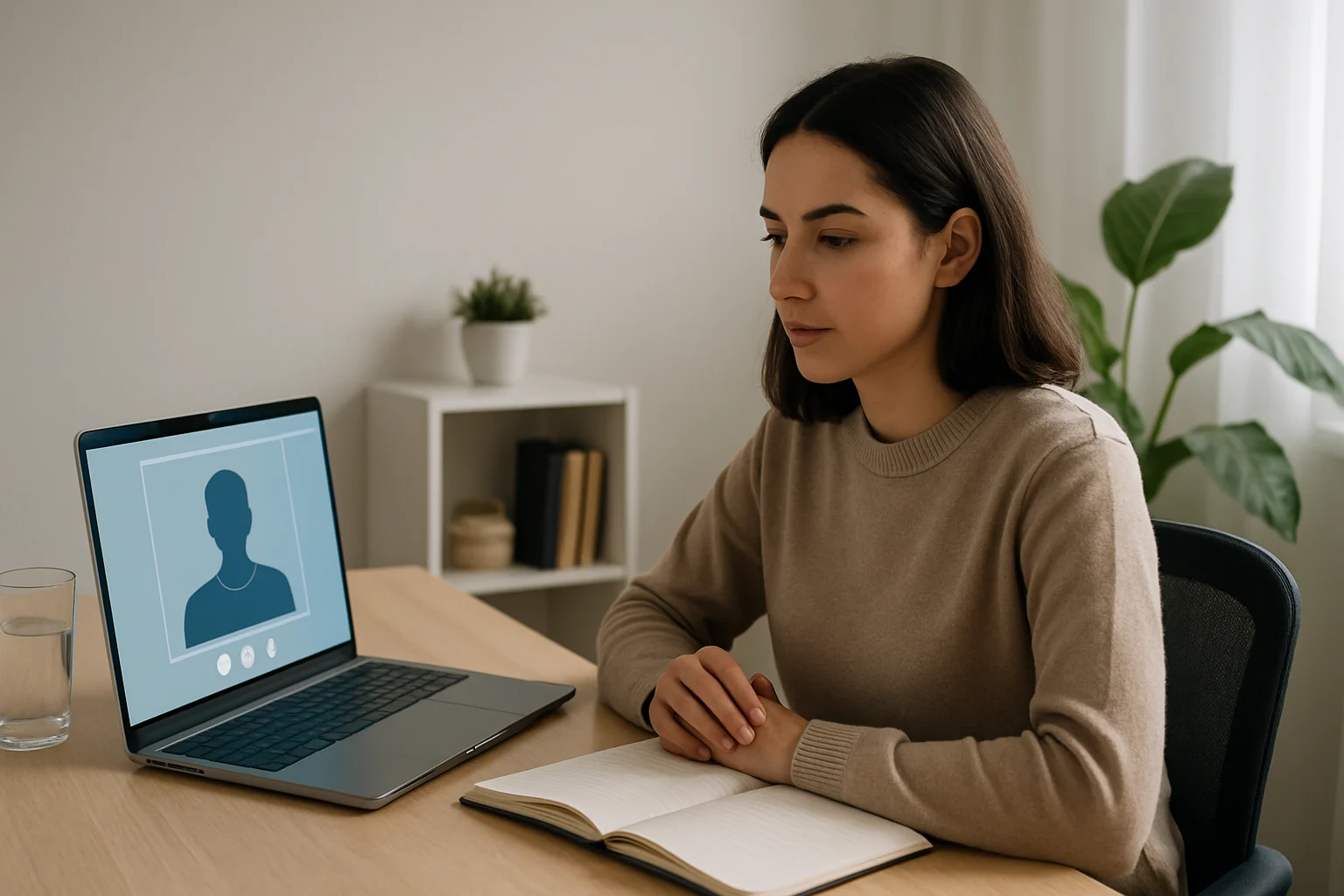
Visa interview practice builds confidence, but it should leave you flexible instead of scripted. Good interview preparation tips focus on speaking clearly and handling follow-up questions. The same visa interview tips apply whether you practice alone or with a friend. If you want structured coaching, resources on how to improve your visa interview can add useful techniques.
- Practice in short sessions rather than one long rehearsal.
- Focus on understanding your answers, not repeating exact wording.
- Treat every practice question as a chance to find weak spots.
Practice With Realistic Questions and Follow-Ups
Mock questions work better when they include natural follow-ups. A single rehearsed answer is not much use if the next question takes you somewhere unexpected.
Record Yourself to Check Clarity and Delivery
Listen for your speaking pace, unnecessary details, hesitation, and overall clarity. Hearing yourself often reveals habits you do not notice while speaking.
Practice Short Answers Before Expanding Details
Learn to answer the question first and add context only when it is useful. This keeps your responses focused and gives the officer room to ask for more.
Prepare for Questions You Did Not Expect
Instead of trying to predict every question, practice thinking calmly through unfamiliar ones. A steady pause and an honest answer work better than a rushed guess.
Review Weak Answers and Practice Them Again
Mark responses that felt unclear and work on them again. Improve the idea behind the answer rather than memorizing a fixed sentence.
Handle Questions About Your Travel Purpose Clearly
Travel purpose questions are among the most important in any interview. The officer wants to understand why you are going, how long you will stay, what you plan to do, and whether this matches your application and documents. Answer plainly and let your itinerary and paperwork back you up.
A clear answer sounds like this: “I’m attending a three-day conference in Toronto, then visiting a cousin for a week before flying home.” An overly complicated one wanders through backup plans, side trips, and details that were never requested. If you are asked a visa interview question about your trip, state the main purpose, the dates, and where you will stay. Keep every other detail ready but unspoken until asked. Your visa interview answers should always agree with the plans on file.
Explain Your Finances and Ties With Confidence
Financial questions are usually about how your trip is funded and what connects you to your home country, such as work, study, or family. Answer them accurately and consistently with your evidence, without overexplaining or making claims you cannot support. Knowing your visa interview documents well and understanding the visa interview requirements for your category makes these answers easier.
Practical preparation points include:
- Knowing exactly who is paying for the trip and how
- Understanding the figures in your bank statements and income records
- Being able to describe your job, studies, or family responsibilities
- Reviewing sponsorship documents if someone else is funding the trip
Choose Your Appearance and Interview-Day Approach
Interview-day habits are easy to overlook. Whether you are attending an embassy interview or a consulate interview, a calm and respectful approach helps. Dress neatly in clothing you are comfortable in, arrive early for your visa interview appointment, and follow every instruction given by staff. These interview preparation tips matter because a rushed, disorganized arrival can add stress before you say a word.
A few interview-day best practices:
- Arrive early, allowing time for security and queues.
- Bring only the items permitted at the location.
- Greet the officer politely and listen to the full question.
- Answer honestly and keep a steady, natural pace.
- Follow all instructions without arguing or interrupting.
Avoid Common Mistakes That Can Hurt Your Interview
Most visa interview mistakes are preventable. A quick final check of the five problems below can help you have a successful visa interview, and the same visa interview tips apply to any category.
- Check that your answers will match your application.
- Make sure you understand your answers rather than reciting them.
- Be ready for appointment-day procedures.
Giving Answers That Do Not Match Your Application
Review your submitted information so you do not contradict it during questioning. A contradiction, even an innocent one, can raise doubts that are difficult to resolve in a short conversation. Reading about visa refusal cases shows how inconsistencies are often viewed.
Memorizing Scripts Instead of Understanding Your Answers
Natural, truthful communication is generally more useful than repeating rehearsed sentences word for word. Scripts fail the moment a question is phrased differently.
Providing More Information Than the Question Requires
Unnecessary details make an answer harder to follow and can create avoidable confusion. Answer what was asked, then wait.
Arriving Unprepared for Appointment-Day Procedures
Problems include skipping your appointment instructions, bringing incomplete materials, or arriving late. Read your instructions again the night before.
Guessing When You Do Not Know an Answer
If you do not remember a detail, say so honestly instead of inventing something. An honest “I don’t remember the exact date” is better than an incorrect guess.
Know What Happens After the Visa Interview

The interview is not always the last administrative step. Depending on the visa category and the authority, you may be told the outcome right away, asked for additional documents, or told to wait for processing. Understanding the visa interview process includes knowing that you should follow the official instructions given at the end of the appointment and avoid assuming anything about the result. If you applied through a larger process, the visa submission process can help you understand how the later stages connect. Keeping this visa interview guide in mind will help you stay organized after you leave.
Possible post-interview actions to monitor include:
- Following any instructions the officer gives you.
- Submitting additional documents if they are requested
- Tracking your application status through official channels
- Watching for notices about passport return or collection
- Keeping copies of everything you submitted
Final Thoughts on Preparing for Your Visa Interview
Knowing how to prepare for a visa interview comes down to understanding your own application. Strong visa interview preparation is built on accurate documents, truthful answers, realistic practice, and careful appointment planning, not on generic scripts. Work through your visa interview checklist, rehearse naturally, and arrive ready to explain your plans in your own words.
Before your appointment, review the official interview instructions and finish your preparation. If you would like guidance as you get ready, Travel with Arif Javed can help you approach the day with confidence.
Frequently Asked Questions About Visa Interviews
These questions address practical concerns applicants often still have after reading the main guide. They focus on preparation, behavior, documents, and what to expect.
Can I attend a visa interview without practicing beforehand?
You can, but it is not advisable. Even brief practice helps you speak more clearly and recall details from your application. A short session with a friend is often enough.
How can I stay calm when answering difficult visa questions?
Take a slow breath before you answer and keep your response short. Knowing your application well reduces anxiety, and it is fine to pause briefly to think.
Should I bring original documents or copies to my interview?
Follow your appointment instructions, since requirements vary. Many applicants bring originals along with copies so they are ready for either request.
What should I do if my interview question is unclear?
Politely say that you did not understand and ask for clarification. Answering a question you misunderstood can create confusion.
Is it okay to ask the interviewer to repeat a question?
Yes. Asking for a repeat is reasonable and shows you want to answer accurately. Keep your tone polite.
Latest Post

November 3, 2026

October 30, 2026
How to Check Visa Eligibility Before You Apply

October 21, 2026